
Nature’s Ancient Allies.

Date:

Location:
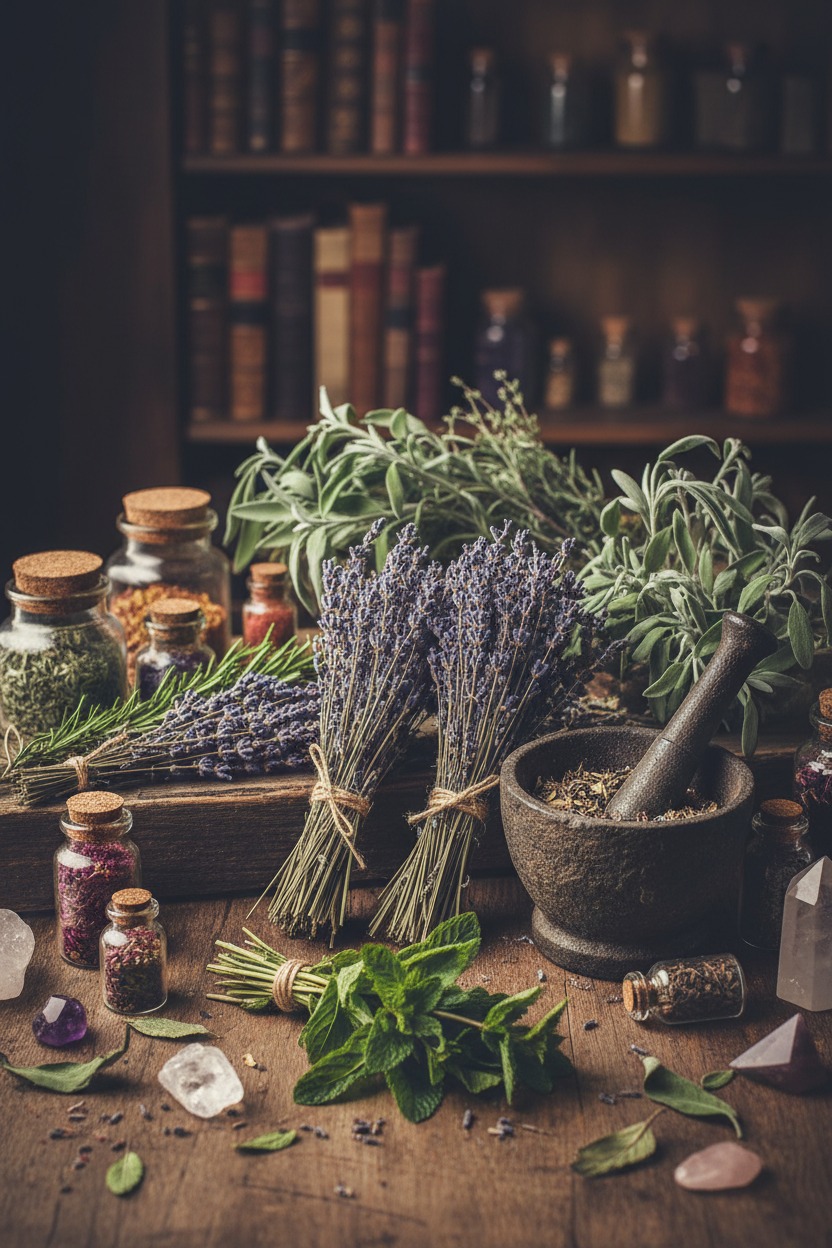
For thousands of years, herbs have held a special place within spiritual practices, folk traditions, and healing customs. Long before modern medicine, people turned to the plants growing around them not only for physical wellbeing but also for protection, purification, divination, and connection to the divine.
Today, many pagans, witches, and spiritual practitioners continue to work with sacred herbs, honouring the wisdom of ancient traditions while developing personal relationships with the natural world. Whether used in rituals, incense blends, spell work, teas, offerings, or seasonal celebrations, sacred herbs remain an important part of modern pagan practice.
What Are Sacred Herbs?
Sacred herbs are plants that have been traditionally associated with spiritual, magical, or religious significance. Different cultures and traditions have their own sacred plants, often chosen because of their medicinal properties, symbolism, folklore, or connection to particular deities and festivals.
In pagan spirituality, herbs are often viewed as gifts from nature, carrying unique energies that can support specific intentions such as protection, love, prosperity, healing, wisdom, or purification.
Working with herbs encourages a deeper connection to the cycles of the seasons and the living world around us.
The Historical Importance of Sacred Plants
Throughout history, herbs played a central role in the daily lives of our ancestors. Celtic healers, wise women, herbalists, and folk practitioners relied upon plants for both practical and spiritual purposes.
Ancient cultures believed certain herbs possessed protective or magical qualities. Many were carried as charms, hung above doorways, burned during ceremonies, or placed on altars as offerings.
Even today, traces of these beliefs can still be found in traditional customs and folklore across Britain and Europe.
Popular Sacred Herbs and Their Symbolism
Mugwort
Often called the Witch’s Herb, mugwort has long been associated with dreams, intuition, psychic awareness, and divination.
Traditionally used in dream pillows and protective charms, mugwort is particularly connected with moon magic and spiritual journeys.
Rosemary
Rosemary has been revered for centuries as an herb of remembrance, protection, and purification.
It is commonly used in cleansing rituals, blessings, and ancestral work. In folk traditions, rosemary branches were often placed around homes to ward off negativity.
Sage
Sage is widely used for purification and spiritual cleansing. Many practitioners burn dried sage to clear unwanted energies from a space before ritual or meditation.
Its strong aromatic qualities have made it a sacred herb in numerous traditions around the world.
Lavender
Known for its calming fragrance, lavender is associated with peace, healing, love, and harmony.
It is often incorporated into spell work focused on emotional balance, restful sleep, and spiritual wellbeing.
Thyme
In ancient folklore, thyme symbolised courage, strength, and protection.
Many believed it attracted positive energies and offered support during challenging times.
Yarrow
Yarrow has a long history in folk magic and healing traditions. It is associated with protection, boundaries, psychic ability, and strengthening personal energy.
Many practitioners include yarrow in protection sachets and ritual blends.
Sacred Herbs and the Wheel of the Year
Many herbs are closely connected to the seasonal festivals celebrated throughout the pagan Wheel of the Year.
Imbolc
Herbs associated with purification, renewal, and inspiration, such as rosemary and bay, are commonly used during this festival of returning light.
Beltane
Flowers and fragrant herbs including hawthorn, rose, and lavender celebrate fertility, abundance, and the blossoming of life.
Litha
Midsummer traditions often incorporate herbs gathered under the sun’s strongest influence, including St. John’s Wort, mugwort, and chamomile.
Samhain
Protective and ancestral herbs such as rosemary, mugwort, sage, and wormwood are frequently used during this sacred season.
Growing Your Own Magical Herb Garden
Many modern pagans choose to cultivate their own sacred herbs. Growing herbs creates a direct connection with the energies of the plants and the rhythms of nature.
Even a small collection of pots on a windowsill can provide herbs for rituals, incense, teas, and seasonal celebrations.
Popular herbs for beginner pagan gardens include:
- Rosemary
- Lavender
- Mint
- Sage
- Thyme
- Chamomile
- Lemon Balm
- Mugwort
Tending these plants throughout the year can become a spiritual practice in itself, encouraging mindfulness and appreciation for the natural world.
Building a Relationship with Sacred Herbs
Many traditions teach that working with herbs goes beyond simply using them in spells or rituals. Instead, practitioners are encouraged to learn about each plant’s history, folklore, medicinal uses, seasonal cycles, and environmental needs.
By observing, growing, harvesting, and respectfully using herbs, we develop a deeper understanding of the interconnectedness of all living things.
This relationship with nature lies at the very heart of many pagan paths.
The Enduring Magic of Sacred Plants
In an increasingly fast-paced world, sacred herbs remind us of the wisdom found in nature. Their fragrances, colours, histories, and symbolism connect us to generations of practitioners who looked to the earth for guidance and inspiration.
Whether placed upon an altar, brewed into a tea, grown in a garden, or used in seasonal rituals, sacred herbs continue to offer a tangible connection to the ancient traditions that honour the beauty and power of the natural world.
From fragrant rosemary and calming lavender to mystical mugwort and protective yarrow, sacred herbs remain timeless companions on the spiritual journey, carrying the wisdom of the earth in every leaf and flower.
Leave a Reply